Finding a truly reliable Web3 airdrop calendar can feel like searching for a needle in a haystack. So many promise the moon, but often deliver very little. It’s easy to get lost in the noise.
You spend hours looking, only to find outdated information or scams. This is frustrating, I get it. You want to be part of exciting new projects.
You want to earn rewards for your early support. But where do you start? This guide will help you cut through the clutter.
Fixing common authentic Web3 airdrop calendar problems means understanding where to look, what to avoid, and how to verify information. Focus on community, project legitimacy, and realistic expectations to find truly valuable upcoming airdrops.
Understanding the Airdrop Calendar Maze
Web3 airdrops are tokens given away by new blockchain projects. They do this to build their community. They also do it to reward early users.
An airdrop calendar is meant to list these upcoming events. It helps people find these opportunities. However, the crypto space moves fast.
What’s current today might be old news tomorrow.
Many calendars exist. Some are good. Many are not.
They might list fake airdrops. They could promote scams. Some just stop updating.
This leaves users confused. They miss out on real chances. Or worse, they fall for bad actors.
The core problem is trust. How can you trust a calendar is showing you real, upcoming events?
The real goal is to find genuine projects. These projects are launching soon. They plan to reward their future users.
A good calendar should help you do this. It should be a tool for discovery. It should not be a source of stress.
We need to look beyond just dates. We need to think about the project itself.
Many people, when they first get into crypto, hear about airdrops. They see others talking about free tokens. It sounds amazing.
Who wouldn’t want free crypto? So, they start searching. They type “crypto airdrop calendar” into Google.
They click the first few links. This is where the problems often begin.
Common Problems with Airdrop Calendars
Let’s break down the usual suspects. What makes a calendar unhelpful or even harmful?
One big issue is outdated information. Crypto projects launch and pivot quickly. A calendar might list an airdrop date that has long passed.
Or, the project might have changed its plans. The calendar just didn’t keep up. This wastes your time.
You might be waiting for something that will never happen.
Then there are scam airdrops. These look real. They might mimic popular projects.
They ask for your wallet keys or private information. This is a huge red flag. Real airdrops almost never ask for this.
They usually just require you to hold a certain token. Or, interact with their platform. Always be wary of anything asking for sensitive data.
Lack of verification is another hurdle. How do you know if the airdrop listed is truly from the project? Many calendars don’t do their homework.
They just scrape data from other places. This can spread misinformation. There’s no vetting process.
It’s a free-for-all of data. This makes it hard to find quality leads.
Over-reliance on speculation also happens. Some calendars list “potential airdrops.” These are based on rumors. Or, they list projects that haven’t even announced an airdrop.
While exploring potential is good, confusing it with confirmed events is bad. You can waste a lot of energy on things that never materialize.
Finally, poor user interface and experience. Some calendars are a mess to navigate. They have too many ads.
Or, the search functions don’t work well. This makes finding what you need a chore. It adds to the frustration.
A good tool should be easy to use. It should help you find information quickly.
I remember one time I was following a calendar that seemed promising. It listed an airdrop for a project I was genuinely excited about. I marked my calendar.
I did all the required tasks beforehand. I waited. The date came and went.
Nothing. I checked the project’s official channels. They had announced they were delaying their token launch.
The airdrop was off. The calendar hadn’t updated. I felt so deflated.
It was a waste of my preparation time.
Key Warning Signs of Fake Airdrops
Direct Requests for Private Keys: NEVER share your seed phrase or private keys. This is the fastest way to lose all your crypto. Legitimate airdrops don’t need this.
Suspicious Links: Always check the URL. Does it match the project’s official website? Scammers create fake sites that look very similar.
Unrealistic Rewards: If an airdrop promises thousands of dollars for a simple task, be very suspicious. This is often bait.
Urgency Tactics: “Act now before it’s gone!” Scammers use this to pressure you into making mistakes.
Finding Authentic Sources and Building Trust
So, how do we get past these problems? It’s about shifting your focus. You need to look for indicators of authenticity.
This takes a bit more effort. But it’s worth it. You’ll find better opportunities.
You’ll avoid scams.
Start with Project Communities: The best place to find legitimate airdrop information is often directly from the project. Look for their official Twitter, Discord, or Telegram channels. Projects announce airdrops there first.
This is the most reliable source.
Follow Reputable Crypto News Outlets: Some established crypto news sites do a good job of reporting on upcoming airdrops. They often have a vetting process. They’ll mention if an airdrop is confirmed or speculative.
Look for sites with a history of accurate reporting.
Use Specialized Airdrop Tracking Sites (with caution): There are sites dedicated to tracking airdrops. Some are better than others. Look for sites that clearly label confirmed vs.
potential airdrops. Check if they explain the requirements clearly. Do they link to official project announcements?
If a site seems too good to be true, it probably is.
Look for Transparency from the Calendar Provider: A good calendar provider will be upfront about their methods. Do they explain how they verify information? Do they link to official sources?
Do they warn users about potential risks? Transparency builds trust.
Check the Project’s Fundamentals: Before you invest time in an airdrop, do a quick check on the project itself. Does it have a working product or a clear roadmap? Is there a team behind it?
Is the community active and engaged? A project with strong fundamentals is more likely to be legitimate.
Consider Your Own Due Diligence: Ultimately, you are responsible for your own research. Don’t blindly trust any calendar or source. Always cross-reference information.
Make sure you understand the requirements before participating. It’s your crypto, so protect it.
I learned this the hard way. I used to just rely on a few popular calendars. Then I found a project that was supposed to do a big airdrop.
The calendar gave me all the steps. I followed them perfectly. I spent hours setting things up.
When the airdrop date passed, nothing happened. I went to the project’s website. It looked brand new.
The “team” section was empty. The whitepaper was vague. It was a clear case of a project that never intended to do a real airdrop.
They just wanted to get people to interact with their (likely fake) platform to gather data. From then on, I always do a quick check on the project itself. Does it look real?
Is there actual substance?
Building Your Airdrop Trust Checklist
- Official Links Verified: Does the calendar link to the project’s official website and social media?
- Project Fundamentals: Does the project have a clear purpose, a roadmap, and a visible team?
- Community Engagement: Is the project’s community (Discord, Telegram) active and positive?
- Airdrop Details Clear: Are the requirements and distribution details easy to understand?
- No Suspicious Demands: Does the airdrop require private keys or unusual payments?
Navigating the ‘Potential Airdrop’ Landscape
A lot of excitement in the crypto world comes from “potential airdrops.” These are not confirmed yet. Projects might be testing their network. They might be building users.
They might reward these early users later. Calendars often list these.
The key here is understanding the difference. A confirmed airdrop has an announcement. It has clear rules.
A potential airdrop is more of a guess. You’re hoping for a reward. It’s like investing early in a startup.
You might get a great return, or nothing.
When you see a potential airdrop listed, ask yourself: What am I actually doing? Am I just signing up for a newsletter? Am I testing a beta product?
Am I providing valuable feedback?
If you’re just signing up for a newsletter, the chance of a reward is usually very low. If you’re testing a product and reporting bugs, you’re providing real value. This increases your chances of a reward.
Some calendars are honest about this. They use terms like “speculative” or “potential.” Others blur the lines. They list anything that might lead to an airdrop.
This is where users get confused. They think a potential opportunity is a sure thing.
My approach is to focus on confirmed airdrops first. If I have extra time and energy, I’ll explore potential ones. But I never count on them.
I treat them as a bonus. I look for projects that are actually building something cool. I want to use their product, airdrop or not.
If they do reward me later, that’s great.
I was part of a testnet for a new blockchain. It was complex. I spent many weekends learning the tools.
I was reporting issues. I was helping them improve. Months later, they announced an airdrop.
It was specifically for people who participated in the testnet. The reward was significant. This felt earned.
It was a reward for genuine contribution, not just filling out a form.
Potential vs. Confirmed Airdrops: What to Expect
Potential Airdrop:
- Goal: Explore new projects, possibly get rewarded.
- Effort: Usually involves testing products, engaging with communities, or providing feedback.
- Outcome: Uncertain. Reward is a possibility, not a guarantee.
- Risk: Low financial risk, but can be time-consuming with no reward.
Confirmed Airdrop:
- Goal: Receive a specific token reward based on defined criteria.
- Effort: Specific tasks announced by the project (e.g., holding a token, using a platform feature).
- Outcome: High certainty if requirements are met.
- Risk: Low, provided you avoid scams and follow instructions carefully.
Practical Steps to Find and Verify Airdrops
Let’s get practical. How do you actively find and check airdrops without getting burned?
1. Identify Reputable Aggregators: Start by finding 2-3 airdrop tracking sites you trust. Look for ones that are transparent.
They should clearly state if an airdrop is confirmed or potential. They should link to official project sources. Some examples might include sites that have been around for a while and have good community reviews.
2. Follow Key Project Socials: Once you find an interesting project, go directly to its Twitter, Discord, and Telegram. Follow them.
This is where real announcements happen first. You’ll see official links and details. This bypasses any middlemen who might misinterpret or delay information.
3. Check Project Websites for Roadmaps and Team Info: Spend 5 minutes on the project’s website. Is there a clear roadmap?
Who is the team? Are they experienced? A lack of clear information here is a warning sign.
4. Understand the ‘Why’ Behind the Airdrop: Why is the project doing this airdrop? Are they trying to decentralize their token distribution?
Are they rewarding early adopters? Are they trying to get users on their platform? Knowing the purpose helps you assess legitimacy.
5. Be Wary of ‘Connect Your Wallet’ Prompts Everywhere: While some airdrops do require connecting your wallet to a DApp (Decentralized Application), be extremely cautious. Ensure you are on the official DApp.
Many scams will create fake DApps. Only connect to sites you have thoroughly vetted.
6. Look for Community Discussion and Sentiment: What are people saying about the project and the airdrop in its official channels? Is the discussion positive and constructive?
Are people asking genuine questions? Or is it all hype and demands for rewards?
7. Cross-Reference Information: If you see an airdrop on a calendar, try to find confirmation from at least one other reliable source. This could be the project’s own announcement, a reputable crypto news site, or another trusted aggregator.
8. Set Realistic Expectations: Not every airdrop will make you rich. Many are small.
Some require significant effort for little return. Treat them as opportunities to learn and participate in the Web3 ecosystem. The actual token rewards are often a bonus.
I remember when a new Layer-1 blockchain was launching. They announced an airdrop. The calendar I was using listed it.
It looked simple enough: hold their native token for a period. But I decided to dig deeper. I went to their official website.
I read their whitepaper. I joined their Discord. I saw that the token they wanted us to hold was still in its very early stages.
It wasn’t widely available. The airdrop rules were complex. And there was a lot of confusion in their Discord about how it would actually work.
I decided it wasn’t worth the risk or effort. Later, it turned out to be a bit of a messy distribution. My cautious approach saved me a lot of headaches.
Quick-Scan Airdrop Verification Table
| Check Point | Genuine Airdrop Signal | Scam/Fake Airdrop Signal |
|---|---|---|
| Official Announcement | Found on project’s official Twitter, Discord, or website. | Only on random forums or unverified calendars. |
| Wallet Interaction | Connect to official DApp, often to claim, not to send. | Requests private keys, seed phrases, or to send crypto. |
| Project Team | Visible, experienced team with clear roles. | Anonymous or vague team members, no LinkedIn profiles. |
| Token Utility | Token has a clear purpose within the ecosystem. | Token has no apparent use case or value. |
| Community Tone | Active, constructive discussions, helpful mods. | Spam, hype, aggression towards questions, demands for rewards. |
The Role of Community and Decentralization
In Web3, community is king. This is especially true for airdrops. Projects that value their community will communicate openly.
They will ensure airdrops are fair and transparent.
When you’re looking at a calendar or a project, ask yourself: Is this project truly decentralized? Are they building for the community? Or are they just trying to pump their own token value?
A truly decentralized project will have active governance. Its community will have a say. Airdrops are often a way to distribute governance tokens.
This gives early supporters a voice in the project’s future. This is a sign of a healthy Web3 project.
If a project seems overly centralized, or if all decisions are made by a small group without community input, then their airdrop might not be for community building. It might be for something else.
Look at the project’s Discord server. Are the administrators and moderators helpful? Do they answer questions thoroughly?
Or do they just delete anything critical? A strong, positive community is a good indicator.
I’ve seen projects where the Discord was a ghost town. Or it was full of bots shilling the token. This is a bad sign.
On the other hand, I’ve joined project Discords where the team is actively chatting, answering technical questions, and discussing future plans. This engagement builds trust. It makes me feel good about participating in their airdrops.
The goal of many airdrops is to distribute tokens widely. This prevents one entity from controlling the network. If a calendar points you to projects that are doing this responsibly, that’s a good thing.
It means they are aligned with Web3 principles.
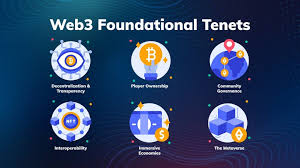
Decentralization & Airdrop Alignment
What is Decentralization? It means no single entity has complete control. Power is spread among many users.
Why it Matters for Airdrops:
- Fair Distribution: Airdrops help spread tokens widely, reducing control by a few.
- Community Governance: Many airdropped tokens grant voting rights on project changes.
- Trustworthy Projects: Projects focused on decentralization often have stronger communities.
What to Look For: Active community governance discussions, transparent decision-making, and community-driven initiatives.
When is an Airdrop Not Worth Your Time?
Not every opportunity is a good one. Sometimes, the best action is no action. When should you skip an airdrop, even if it’s listed on a calendar?
1. Excessive Time Commitment for Little Reward: If an airdrop requires you to spend dozens of hours on complex tasks, but the potential reward is very small or uncertain, it’s probably not worth it. Your time is valuable.
2. Unclear or Constantly Changing Rules: If the airdrop rules are vague, confusing, or change frequently without clear explanation, it’s a red flag. It suggests poor planning or an attempt to confuse participants.
3. High Risk of Scam: If the airdrop exhibits multiple warning signs of a scam (e.g., requests for keys, suspicious links, unrealistic promises), steer clear. No potential reward is worth losing your entire crypto portfolio.
4. Poor Project Fundamentals: If the underlying project lacks a clear vision, a working product, or a credible team, the airdrop is unlikely to be valuable or even legitimate. Why participate in something that might fail?
5. “Gas Fees” Too High: Some blockchains require “gas fees” (transaction fees) to interact with their networks. If the gas fees to complete the airdrop tasks are higher than the potential value of the airdrop, it’s not economically sensible.
6. Just for Engagement, No Real Value: Some activities are just for engagement metrics. For example, “like and retweet this 100 times.” This often leads to very little.
Focus on activities where you contribute real value.
I’ve learned to be selective. I used to jump at every single listed airdrop. I’d spend hours completing tasks.
Then I’d get a tiny amount of a worthless token. Or worse, nothing. Now, I review the requirements.
I look at the project. If it doesn’t feel right, or if the effort/reward ratio is bad, I just pass. There are always other opportunities.
Future of Airdrop Calendars
What’s next for these calendars? We’re seeing a trend towards more verification. More specialized platforms are emerging.
They focus on specific niches within Web3. Some are even using blockchain technology themselves to verify airdrop participation.
The demand for reliable information will only grow. As Web3 becomes more mainstream, more people will look for airdrops. This will push calendars to become more sophisticated.
They’ll need to offer better tools for users to verify projects and understand risks.
Expect to see more integration with decentralized identity solutions. This could help prove participation without revealing sensitive data. Also, AI might play a role in scanning project data for red flags.
The focus will continue to shift from just listing dates to providing genuine value. This means deep dives into project legitimacy, security audits, and community sentiment. The calendars that adapt will be the ones that survive and thrive.
Frequently Asked Questions About Airdrop Calendars
Are all airdrops listed on calendars legitimate?
No, absolutely not. Many airdrop calendars list potential, speculative, or even fake airdrops. It’s crucial to do your own research and verify any airdrop before participating.
Always check official project announcements.
How can I tell if an airdrop is a scam?
Be suspicious if an airdrop asks for your private keys or seed phrase. Never share these. Also, be wary of unrealistic reward promises, urgent pressure tactics, and suspicious website links.
Real airdrops usually require participation in a platform or holding a token, not sharing sensitive information.
What is the difference between a confirmed and a potential airdrop?
A confirmed airdrop has been officially announced by the project with clear rules and a defined distribution. A potential airdrop is based on speculation; a project might reward users for certain activities, but it’s not guaranteed. Always treat potential airdrops as bonuses, not sure things.
Do I need to pay to receive an airdrop?
Legitimate airdrops usually do not require you to pay money to receive tokens. You might need to pay transaction “gas” fees on some blockchains to interact with a platform or claim your reward. Be very cautious if an airdrop asks for a direct payment to receive free tokens.
How much time should I spend on airdrops?
This depends on your goals. If you’re looking for significant rewards, you’ll need to invest time in research and participation. However, don’t let it consume all your time.
Focus on quality opportunities where your effort is likely to be rewarded. Set realistic expectations.
Where can I find the most reliable airdrop information?
The most reliable information comes directly from the project itself through its official website, Twitter, Discord, or Telegram. You can also follow reputable crypto news outlets and specialized airdrop trackers that clearly label their sources and verify information.
Conclusion
Navigating the world of Web3 airdrops requires patience and a sharp eye. While airdrop calendars can be useful tools, they are not always perfect. By understanding the common pitfalls, focusing on verification, and doing your own research, you can find genuine opportunities.
Protect yourself from scams. Prioritize projects with strong fundamentals and active communities. Your journey into Web3 rewards can be both exciting and safe.