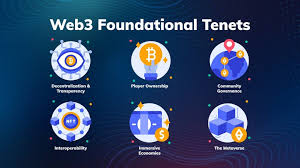
Finding legitimate Web3 airdrops requires careful tracking and verification. Focus on official project announcements, reputable community channels, and established crypto news sources. Always be wary of unsolicited offers and never share your private keys or sensitive information.
Staying informed and cautious is key to successfully participating in genuine airdrop campaigns.
Understanding Web3 Airdrops
Airdrops are a common way for new crypto projects to get the word out. They give away free tokens to early users or community members. Think of it like a digital giveaway.
Projects do this to build a user base and reward people who support them. It’s a way to decentralize token distribution right from the start.
Web3 is all about decentralization. This means moving away from big companies controlling everything. Airdrops fit this model well.
They spread tokens across many people. This can help make a project more community-driven. However, with so many projects, it’s hard to know which ones are real.
Scammers often copy popular projects to trick people.
So, what makes a Web3 airdrop authentic? It usually comes from a project that has a clear goal. They have a working product or a well-thought-out plan.
They often have a strong community behind them. Reputable teams also tend to be transparent about their goals and how the airdrop works. This transparency is a big sign of trust.
The challenge is keeping track of all these projects. There are new ones launching all the time. Some airdrops are planned months in advance.
Others are surprise events. This is where having a good tracking system comes in. It helps you stay organized and not miss out on opportunities.
It also helps you avoid wasting time on fake ones.
You need to be smart about where you look for information. Some websites might list airdrops, but they could be outdated or even harmful. The best sources are usually the projects themselves.
Following their official channels is crucial. Community discussions can also offer clues, but always verify what you hear.
The crypto space moves fast. What’s true today might change tomorrow. So, learning how to track airdrops effectively is a skill.
It’s not just about finding free tokens. It’s about understanding the ecosystem and spotting genuine innovation. It’s about being part of a project’s growth from the very beginning.
This process requires a mix of technical understanding and common sense. You’ll need to know how to interact with blockchain networks. You’ll also need to be good at spotting red flags.
The goal is to build a reliable method for finding and participating in these events. This is key to making the most of what Web3 has to offer.
We’ll explore how to build a personal system for this. We’ll look at tools, communities, and best practices. The aim is to give you the confidence to find and engage with authentic airdrops.
This way, you can benefit from new projects without the risk of scams.
The Quest for Genuine Airdrops
I remember the early days of crypto. Airdrops felt like finding hidden treasure. You’d stumble upon a project, do a few simple tasks, and suddenly have new tokens in your wallet.
It was exciting and felt very accessible. Back then, the space was smaller, and the scams were less sophisticated.
One time, I was really into a new DeFi project. They announced an airdrop for anyone holding their governance token. I’d bought a small amount early on.
I followed all their social media. They had a clear roadmap and a really active Discord. The airdrop itself was straightforward: just hold the tokens for a certain period.
When the tokens were distributed, I checked my wallet, and there they were! It wasn’t a fortune, but it was real. It felt rewarding for being an early supporter.
This experience solidified my interest in airdrops. It showed me the potential for genuine rewards in this space. It also taught me the value of sticking with projects that communicate clearly.
But then things got crowded. The success of early airdrops attracted a lot of bad actors. Suddenly, my inbox was flooded with emails promising free crypto.
Many of these looked good at first glance. They used familiar logos and jargon. They often asked me to click suspicious links or connect my wallet to unknown sites.
I remember one specific instance where I almost fell for it. A project that sounded very similar to a major blockchain platform announced a huge airdrop. The website looked almost identical.
It asked me to connect my wallet and confirm some transaction. My gut feeling told me something was off. The transaction fees they mentioned seemed too high.
I backed out.
Later, I found out it was a phishing scam. They wanted to drain wallets. That close call was a wake-up call.
It made me realize how important it is to be vigilant. Finding authentic airdrops isn’t just about luck; it’s about diligent research and a healthy dose of skepticism.
This is why a reliable tracking system is so important. It’s not just a convenience; it’s a necessity for safety and success. Without a good way to monitor and verify, you’re essentially wandering blindfolded in a field full of potential traps.
The goal is to filter out the noise and focus on what’s real and valuable.
Airdrop Tracking Essentials
Know Your Source: Always get information directly from the project’s official website or verified social media accounts. Never trust third-party links that look suspicious.
Community Check: Genuine projects often have vibrant, engaged communities on platforms like Discord or Telegram. Look for active discussions and helpful members.
Project Fundamentals: Research the project’s whitepaper, team, and technology. A solid foundation indicates a higher chance of a legitimate airdrop.
Security First: Never share your private keys or seed phrases. Be cautious about connecting your wallet to unfamiliar sites. Use a hardware wallet for added security.
Building Your Authentic Airdrop Calendar
Creating a system to track authentic airdrops is key. It’s like having a personal assistant for crypto. This system helps you stay organized and informed.
It also saves you a lot of time and potential headaches. The core idea is to gather information from reliable places and filter out the rest.
First, you need a place to record potential airdrops. A simple spreadsheet works wonders. You can use Google Sheets, Excel, or even a notebook.
For each airdrop, you’ll want to note down a few things. What is the project name? What is the blockchain it’s on?
What are the requirements to get the airdrop? What is the expected distribution date?
This spreadsheet becomes your personal airdrop log. As you find new opportunities, add them. As you complete tasks, mark them.
As airdrops are distributed, check them off. This visual progress helps you see what’s coming up and what you’ve already participated in. It’s a way to manage the flow of information.
Where do you find these opportunities? Start with official project announcements. If you’re interested in a particular blockchain, like Ethereum or Solana, follow their main news channels.
Many projects announce their airdrops there first. This is the most direct and trustworthy source.
Next, look for reputable crypto news websites. Sites that focus on blockchain technology and DeFi often cover upcoming airdrops. They usually have a team that vets these opportunities to some extent.
However, even here, always double-check the information. Don’t rely on just one source.
Community forums can be useful, but be very careful. Platforms like Reddit, Discord, and Telegram have communities for almost every crypto project. You can learn a lot from other users.
People often share news and tips. But you’ll also find a lot of noise and misinformation. Always verify anything you read in a community forum with official sources.
When you find a potential airdrop, do a quick check. Does the project have a website? Is it professional-looking?
Does it have a whitepaper? Who is the team? Are they public?
A project that hides its team or has a poorly designed website is a red flag. Legitimate projects are usually proud of their work and want to show it off.
It’s also important to understand the typical requirements for an airdrop. Some might ask you to hold a specific token. Others might require you to use a platform’s features.
For example, you might need to make a trade on a decentralized exchange (DEX) or provide liquidity. Some might ask you to join their social media channels and retweet a post.
Beware of airdrops that ask you to send tokens first. This is almost always a scam. Real airdrops don’t require you to send money to receive free tokens.
They might ask you to pay gas fees for a transaction on the blockchain, but that’s different. You’re paying the network, not the project directly to receive tokens.
The calendar aspect is about timing. Some airdrops have very specific deadlines. Others are ongoing.
Knowing these dates helps you prioritize your efforts. You don’t want to spend time on an airdrop that’s already ended. You also want to know when to expect your rewards.
Tracking the progress of an airdrop is also important. Sometimes, projects will give updates on how the airdrop is progressing. Are there delays?
Have they started distributing tokens? This information is usually found on their official channels. Keeping an eye on these updates helps you stay informed and manage your expectations.
Your Digital Airdrop Journal
Tool: Spreadsheet (Google Sheets, Excel)
Columns:
- Airdrop Name
- Project Website
- Blockchain
- Requirements
- Key Dates (Start, End, Distribution)
- Status (Planned, Active, Completed, Missed)
- Notes/Links
Why it helps: Provides a clear overview, prevents missed deadlines, and tracks your participation.
Identifying Red Flags and Scams
The crypto world is full of opportunity, but also risk. Scammers are always looking for ways to trick people, especially when it comes to free money like airdrops. Learning to spot these scams is as important as finding the real opportunities.
Your security is the top priority.
One of the biggest red flags is an airdrop asking you to send money first. If a project says, “Send us 1 ETH, and we’ll send you back 2 ETH in an airdrop,” run away. This is a classic scam.
They’ll take your money and disappear. Real airdrops give tokens; they don’t ask you to buy them through a suspicious channel.
Another sign is urgency. Scammers often create a fake sense of urgency. They’ll say things like, “This offer ends in one hour!” or “Only 100 spots left!” This pressure is designed to make you act without thinking.
Take your time. If it’s a real opportunity, it won’t disappear in an hour.
Look at the project’s communication. Are they professional? Do they have grammatical errors everywhere?
While not all projects with typos are scams, a lot of unprofessional language can be a warning sign. Scammers often rush their communications. They might copy and paste messages that aren’t well-translated or proofread.
Be very wary of unsolicited messages. If someone DMs you on Twitter or Telegram out of the blue, telling you about an amazing airdrop, be suspicious. They’ll often say you’ve been “selected” for a special reward.
They’ll then try to get you to click a link or connect your wallet. Genuine airdrops are usually announced publicly on project channels.
Phishing websites are a major threat. These are fake websites designed to look exactly like legitimate ones. They’ll ask you to log in or connect your wallet.
Once you do, they can steal your funds. Always check the URL very carefully. Make sure it’s the official website.
Look for the padlock icon in your browser bar.
What about wallet connection prompts? When a website asks you to connect your wallet, pay close attention. What permissions is it asking for?
A legitimate airdrop claim might ask for permission to view your address or send tokens. It should never ask for permission to spend your tokens or transfer them without your explicit action.
Consider the size of the airdrop. If an airdrop promises an unrealistic amount of tokens for very little effort, it’s likely fake. For example, a new, unknown project claiming to give away millions of dollars worth of tokens is highly suspicious.
Real airdrops are usually proportional to the project’s stage and value.
The team behind the project is also important. Are they doxxed? This means their real identities are public.
If a project is anonymous, it’s harder to trust. While some anonymous teams can be legitimate, it adds a layer of risk. Especially for an airdrop, you want to see some level of accountability.
Finally, trust your intuition. If something feels wrong, it probably is. Don’t let the fear of missing out (FOMO) drive your decisions.
Take a step back, do your research, and if in doubt, skip it. There will always be other opportunities. Protecting your assets is far more important.
Scam Spotting Checklist
- DO NOT Send Crypto First: Real airdrops give, they don’t ask for payment to receive.
- Verify URLs: Check for typos and ensure it’s the official domain.
- Beware of Urgency: Scammers create fake deadlines.
- Unsolicited Messages: Be suspicious of DMs about airdrops.
- Unrealistic Promises: If it sounds too good to be true, it probably is.
- Check Team & Whitepaper: Look for transparency and substance.
- Limited Wallet Permissions: Understand what a site is asking for.
Leveraging Community and Social Media
The Web3 space thrives on community. This is where many airdrop opportunities are first hinted at or announced. Using social media and community platforms effectively can significantly boost your chances of finding authentic airdrops.
It’s about being part of the conversation.
Twitter is a primary hub for crypto news. Many projects announce their initiatives there. Follow the official accounts of blockchains, DeFi platforms, NFT projects, and specific tokens you’re interested in.
Use Twitter’s search function to find mentions of “airdrop” combined with project names you follow. Also, search for trusted crypto influencers or analysts who often share vetted information.
Be cautious of fake Twitter accounts. Scammers create accounts that look very similar to official ones, often with minor spelling changes or extra characters. Always double-check the follower count and the engagement on posts.
Official accounts usually have a large, active following and consistent posting history.
Discord and Telegram are essential for deeper community engagement. Many projects host their primary communities on these platforms. Join the official Discord or Telegram groups for projects you’re interested in.
Observe the discussions. Project teams often drop hints about upcoming events or airdrops in these channels. Some even have specific announcement channels where all updates are posted.
When participating in these communities, be polite and respectful. Avoid asking “wen airdrop?” constantly, as this is often seen as spam. Instead, try to engage with the project’s goals and technology.
Genuine interest can sometimes lead to opportunities or direct information from community managers.
Look for community-driven initiatives. Sometimes, airdrops are rewards for participating in governance, testing new features, or contributing to documentation. These tasks are often announced in community channels first.
Being an active and helpful member can put you on the radar for such opportunities.
Airdrop tracking websites and aggregators are also popular. Sites like CoinMarketCap, CoinGecko, and specialized airdrop listing sites can be useful. However, treat these as starting points.
Always cross-reference the information with the project’s official channels before taking any action. Some of these sites might list older or less relevant airdrops.
When a project announces an airdrop, they will usually specify the platforms where you can find more information or participate. This might include their website, Twitter, Discord, or a specific dApp. Pay close attention to these official links.
What about engagement metrics? For some airdrops, your level of activity on a platform might be a factor. For example, a project might reward early users of its testnet or those who have interacted with its smart contracts frequently.
Being active on a platform before an airdrop is announced can sometimes make you eligible for future rewards.
Remember to use separate wallets for airdrop participation if possible. This adds an extra layer of security. You can fund a dedicated airdrop wallet with small amounts of crypto, only enough to cover gas fees.
This way, if a scam happens, only the funds in that wallet are at risk.
Staying up-to-date requires consistent effort. Dedicate some time each day or week to check your trusted sources. Follow projects that are actively developing and have a clear vision.
The Web3 community is a powerful resource, and by tapping into it wisely, you can significantly improve your airdrop hunting success rate.
Community Power-Up
Follow Key Accounts: Official project teams, blockchain explorers, reputable crypto news outlets.
Join Official Groups: Discord and Telegram for announcements and direct interaction.
Engage Smartly: Ask questions, offer help, and be a positive community member.
Verify Everything: Always cross-reference information from community chatter with official sources.
Use Airdrop Aggregators Wisely: Treat them as starting points, not definitive sources.
Practical Steps for Airdrop Participation
Once you’ve identified a legitimate airdrop and understood its requirements, it’s time to act. This phase requires careful execution to ensure you meet the criteria and don’t make mistakes that disqualify you. It’s about following instructions precisely.
First, ensure you have the necessary cryptocurrency for transaction fees (gas). Most airdrops operate on blockchains like Ethereum, Binance Smart Chain, Polygon, or Solana. You’ll need the native token of that blockchain (e.g., ETH for Ethereum, BNB for BSC, MATIC for Polygon) in your wallet to pay for gas.
Make sure you have enough for all the steps involved.
Next, ensure your wallet is set up correctly. If the airdrop is for a specific blockchain, make sure your wallet supports it and you have the correct network selected. For example, if the airdrop is on Polygon, you need to have the Polygon network added to your MetaMask or similar wallet.
Read the instructions for the airdrop very carefully. This is the most critical step. Projects outline exactly what you need to do.
This could involve:
- Connecting your wallet: To a specific dApp or website.
- Performing on-chain actions: Such as swapping tokens on a DEX, providing liquidity, or staking tokens.
- Completing social tasks: Following on Twitter, joining Telegram, retweeting posts.
- Filling out a form: Providing your wallet address and sometimes other details (be cautious with forms).
When connecting your wallet, always look for the official link provided by the project. Never click on links from DMs or random sources. Once connected, double-check the permissions your wallet is being asked to grant.
Avoid granting unlimited spending power.
If you need to perform on-chain actions, use the official dApp or platform. For example, if you need to trade on a DEX, go to the official Uniswap, SushiSwap, or PancakeSwap website. Make sure you’re on the correct network.
Double-check the token addresses if you’re swapping tokens to avoid sending them to the wrong contract.
For social tasks, make sure you are using your primary, personal social media accounts that are linked to your identity. Some airdrops require you to have a certain age of your account or a minimum number of followers, though this is less common for basic participation.
If a form is required, fill it out accurately. Ensure your wallet address is copied correctly. If they ask for your social media handles, provide the correct ones.
Be wary of forms that ask for your private key or seed phrase – this is a huge red flag and a scam.
Keep a record of what you’ve done. Note down the date you completed tasks. If possible, take screenshots of completed actions or transactions.
This can be helpful if there’s any dispute or if you need to prove you met the requirements.
After completing the tasks, there’s usually a waiting period. The project team will verify participants and then distribute the tokens. This can take days, weeks, or even months.
Keep an eye on the project’s official channels for updates on the distribution process. Some airdrops are claimable directly from a website, while others are sent automatically to your wallet.
Always use a hardware wallet for any significant crypto holdings. For airdrop participation, you can consider using a separate, “burner” wallet. Load it with only the necessary funds for gas.
This minimizes the risk if one of your connected dApps is compromised or if you accidentally interact with a malicious contract.
Airdrop Action Plan
- Wallet Ready: Ensure correct network and sufficient native tokens for gas fees.
- Official Links Only: Never click links from unknown sources.
- Read Instructions Carefully: Follow every step precisely.
- Grant Minimal Permissions: Be cautious with wallet connection requests.
- Verify On-Chain Transactions: Double-check token addresses and amounts.
- Document Your Actions: Keep records of completed steps.
- Use Separate Wallets: Consider a burner wallet for safety.
When to Be Cautious: Normal vs. Concerning Signals
Understanding when an airdrop is proceeding normally versus when something is concerning is vital. Not every delay or unusual event is a scam, but it’s important to know the difference. This discernment protects you from unnecessary worry and potential loss.
Normal Signals:
- Delays in Distribution: Projects often face technical challenges or need more time for verification. A few days or even weeks past the initial estimate can be normal, especially for complex airdrops.
- Requests for Wallet Address for Distribution: If the project asks you to submit your wallet address on a form after the claim period, it’s usually to help them target the distribution. However, they should never ask for your private keys.
- Small Gas Fees for Claiming: To claim an airdrop, you often need to pay network transaction fees. This is normal. The amount will depend on the blockchain and network congestion.
- Communication Updates: Projects that regularly update their community on progress, even if it’s about delays, are usually being transparent and legitimate.
- Community Engagement: An active community discussing the airdrop and sharing information is a positive sign.
Concerning Signals:
- Requests for Private Keys or Seed Phrases: This is NEVER normal. Anyone asking for this is trying to steal your funds.
- “Send Crypto to Receive More” Schemes: As mentioned, any request to send crypto first is a scam.
- Unprofessional or Vague Communication: If a project goes silent for extended periods without explanation, or their communications are filled with errors and vagueness, it’s a red flag.
- Links to Unknown/Suspicious Websites: If the links provided for claiming or verification lead to sites that look unofficial, have strange URLs, or ask for excessive permissions, avoid them.
- Extremely High Gas Fees for Simple Actions: While gas fees are normal, if a project directs you to a transaction that requires an exorbitant amount of gas for a simple task, it might be designed to drain your wallet.
- Promises of Guaranteed Huge Returns: Legitimate airdrops offer tokens based on participation, not guaranteed financial outcomes.
- Pressure to Act Immediately: Constant barrages of “act now or lose out” messages, especially combined with other suspicious elements.
What to Do:
If you see concerning signals:
- Stop Immediately: Do not proceed with any further actions.
- Verify from Official Sources: Check the project’s official website, Twitter, and Discord. Look for announcements from the core team.
- Ask the Community (Carefully): Pose your questions in the official community channels, but be aware that even community members can be misled. Frame your questions neutrally, like “Can someone confirm the official claim link?”
- Consult Trusted Resources: Look up the project on reputable crypto news sites or forums to see if others are reporting issues.
- Never Share Sensitive Information: This is the golden rule. Your private keys are your lifeline.
The Web3 space is innovative, but it also requires a high degree of personal responsibility and vigilance. By understanding these signals, you can navigate the world of airdrops with greater confidence and safety.
Frequently Asked Questions
What is a Web3 airdrop?
A Web3 airdrop is when a new cryptocurrency project distributes free tokens to users. This is usually done to spread awareness, reward early supporters, or decentralize token ownership.
How do I find authentic Web3 airdrops?
Look for official announcements on project websites and social media. Follow reputable crypto news sources and engage in official community channels. Always verify information from multiple trusted sources.
Can I get rich from airdrops?
While some airdrops have been very profitable, it’s not a guaranteed way to get rich. The value of airdropped tokens depends on the project’s success. Many airdrops have little to no value.
Do I need to pay to receive an airdrop?
Generally, no. You should never send cryptocurrency to receive an airdrop. However, you might need to pay network transaction fees (gas fees) to interact with a blockchain or claim your tokens.
What are the risks of participating in airdrops?
The main risks include scams, phishing attempts to steal your wallet, and investing time and gas fees into projects that fail or have low token value. Always prioritize security.
How can I protect my crypto wallet from airdrop scams?
Never share your private keys or seed phrase. Only connect your wallet to official, verified websites. Use a hardware wallet for significant holdings.
Be cautious of unsolicited messages and offers that seem too good to be true.
What is a “karma” or “sybil” attack in airdrops?
A sybil attack is when one entity creates multiple fake accounts to receive more than their fair share of an airdrop. Projects often try to prevent this by looking at user behavior or requiring real-world verification.
The Takeaway: Stay Informed, Stay Safe
Tracking progress for authentic Web3 airdrop calendars is a skill that grows with practice. It’s about building a reliable method. This method involves diligent research and a sharp eye for detail.
By focusing on official sources and understanding common scam tactics, you can increase your chances of finding real opportunities.
Remember, the Web3 space is exciting and full of potential. Airdrops are a great way to get involved. But your security always comes first.
Stay curious, stay informed, and most importantly, stay safe in your airdrop hunting journey. Happy hunting!